 Save
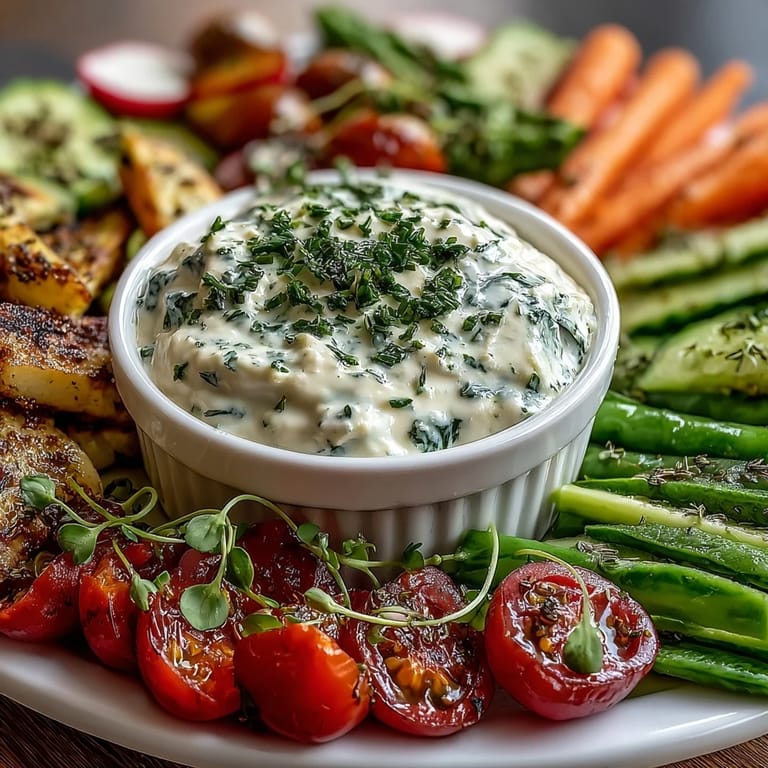
Save Last spring, my neighbor brought over a board of vegetables that looked like someone had painted a garden onto a wooden surface, and I realized I'd been overthinking appetizers my entire life. The radishes were so crisp they practically snapped between your teeth, the peas tasted like concentrated sunshine, and the herb dip was so simple yet so green and alive that I asked for the recipe right there while holding a sugar snap pea. That afternoon taught me that the best entertaining happens when you stop fussing and let fresh things speak for themselves. Now whenever I need something that feels both effortless and impressive, this board is my answer.
I made this for my daughter's first day back at school celebration, and watching her friends dive into the peas and radishes like they were treasure felt unexpectedly meaningful. One kid said the dip tasted "fancy but not scary," and that's exactly what I want food to do—invite people in without making them nervous. It became the board I pulled out whenever I wanted to say "you matter" without saying it out loud.
Ingredients
- Breakfast radishes: These are sweeter and more tender than larger ones, and halving them lets people grab them without feeling committed to eating a whole vegetable.
- Sugar snap peas: Buy them firm enough that they feel alive in your hand; if they're bendy, they're past their prime.
- Fresh peas: A quick blanch keeps them bright green and tender, but if you're using frozen, thaw them gently under cool water first.
- Baby carrots: The smaller ones are naturally sweeter, and their color is part of your palette here.
- Cherry tomatoes: Halving them prevents them from rolling around like tiny red marbles across the board.
- Cucumber slices: Cut them just before serving so they stay crisp and don't weep into the board.
- Greek yogurt: The tang is essential; it balances the richness and keeps the dip from feeling heavy.
- Mayonnaise: Just two tablespoons—this isn't about richness, it's about silkiness.
- Fresh lemon juice: Never use bottled here; the fresh squeeze makes all the difference in brightness.
- Fresh chives, parsley, and dill: Chop them fine so they distribute evenly throughout the dip instead of leaving green specks.
- Garlic clove: One small clove, minced fine, gives background depth without overwhelming the herbs.
- Salt and pepper: Fine sea salt dissolves better than coarse, and freshly ground pepper tastes like actual pepper instead of dust.
Tired of Takeout? 🥡
Get 10 meals you can make faster than delivery arrives. Seriously.
One email. No spam. Unsubscribe anytime.
Instructions
- Wash and prepare your vegetables:
- Rinse everything under cool water and pat dry; wet vegetables will make your board look sad and slip around when people reach for them. This is where you get to slow down and appreciate how vibrant everything looks before it all comes together.
- Arrange the vegetables artfully:
- This isn't about perfection; it's about creating little color clusters so your eye has somewhere to rest. Put the vivid reds and greens next to each other, let the pale carrots catch light, and leave small gaps so it doesn't feel crowded.
- Blend the dip until silky:
- Whisk the yogurt, mayo, and lemon juice together first so the base is smooth, then fold in the herbs and garlic. You want everything evenly distributed, but don't overmix or you'll bruise the herbs and they'll turn dark.
- Nestle the dip into the board:
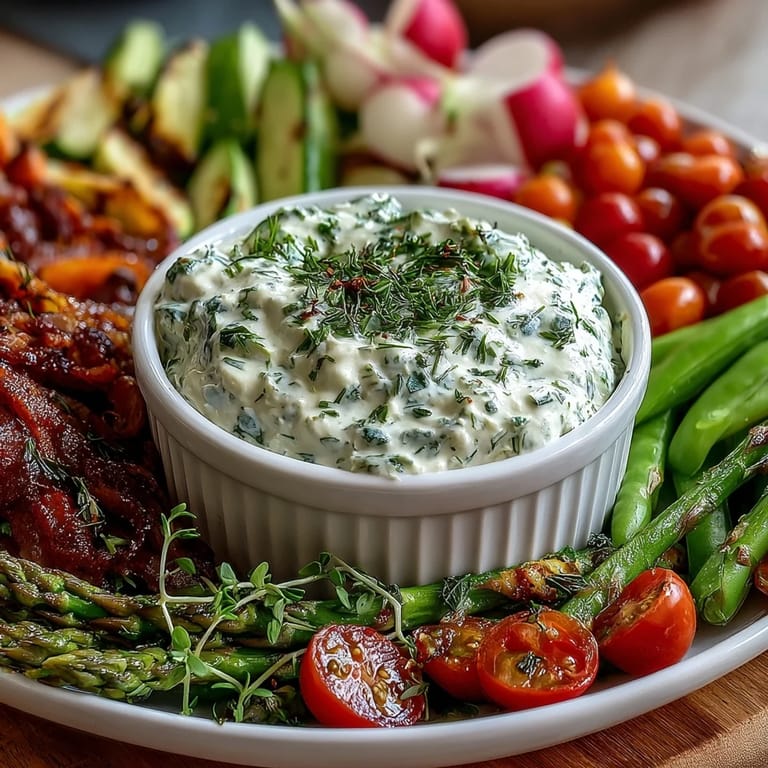
- Use a small bowl so it becomes a focal point rather than disappearing into the arrangement. This also makes it easy for people to refill without bumping into the vegetables.
- Add your finishing touches:
- A scatter of microgreens adds texture, and a handful of crumbled feta brings a salty note that makes people reach for more vegetables. If you're adding crackers or bread, tuck them around the edges so they're accessible but not the first thing people notice.
 Save
Save There's a moment that happens almost every time I make this board where someone quiet reaches for a radish they weren't sure about, tries the dip with it, and their eyes light up with surprise. Those small discoveries feel like the whole point of sharing food.
Building Your Board Like You Mean It
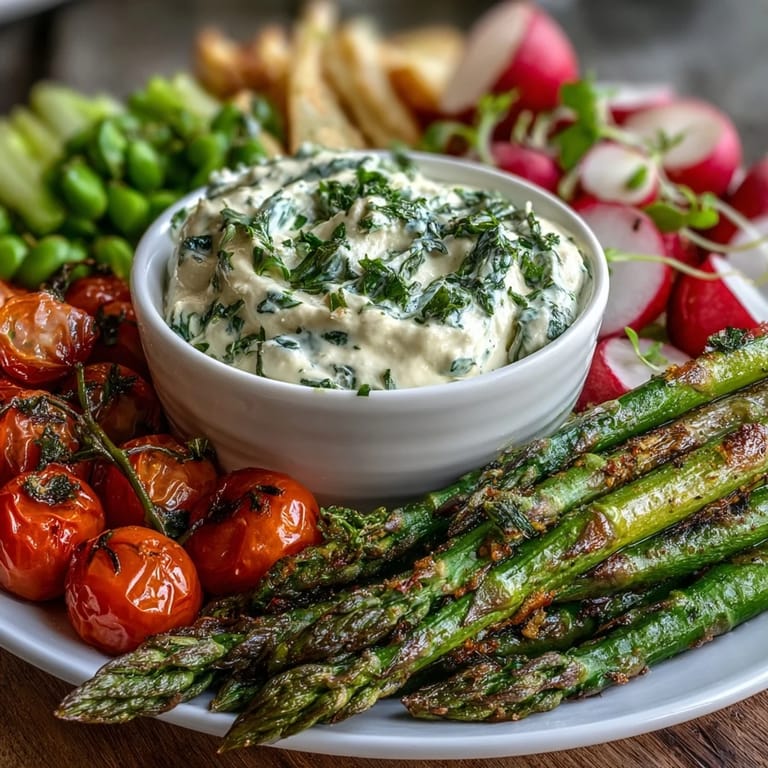
The arrangement matters more than you think, but not in a precious way. Think of it like a painter choosing where to put the bright colors so they sing—group your reds together, let the greens create a path, and use the pale carrots to give your eye a resting place. The vegetables should look abundant but not overwhelming, inviting rather than intimidating. You're creating a landscape someone wants to explore, not a still life they're afraid to touch.
The Dip Is Everything
This herb dip is the whole story of the board, really. It transforms raw vegetables from "I should eat these" into "I want to eat these." The ratio of yogurt to mayo creates a texture that's cloud-like but not airy, and the fresh herbs give it a garden-to-table quality that bottled dressings can never touch. Every herb serves a purpose: dill brings elegance, chives give a subtle onion whisper, and parsley ties everything together. The lemon juice is your secret weapon because it keeps everything bright and prevents the dip from tasting murky or heavy.
Timing, Storage, and Flexibility
One of the beautiful things about this board is its flexibility with your schedule and your pantry. The dip can live in your refrigerator for two days, which means you can make it the morning before your guests arrive and barely think about it again. The vegetables can be prepped hours ahead and stored in the fridge in separate containers; just wait until the last moment to arrange them so they stay crisp and beautiful. If you don't have fresh dill, parsley is enough—if you can't find sugar snap peas, thin slices of bell pepper work just fine. The board works with what you have, not against it.
- Make the dip early and let it chill so the flavors settle and become cohesive instead of sharp.
- Arrange the board within an hour of serving so vegetables stay firm and the dip stays cold.
- If you need to make this vegan, swap the Greek yogurt for coconut or cashew yogurt and skip the feta, and nobody will miss what isn't there.
 Save
Save This spring board has become my answer to the question "what should I bring?" It says you tried without saying you stressed, and it tastes like the season itself. Make it for someone, and watch what happens.
Recipe FAQs
- → How do I prepare the vegetables for the platter?
Wash, trim, and cut the vegetables as indicated: halve radishes and cherry tomatoes, peel baby carrots, trim sugar snap peas, and slice cucumbers for easy serving and attractive presentation.
- → Can I make the herb dip vegan?
Yes, substitute Greek yogurt with a plant-based yogurt and ensure mayonnaise is vegan to keep the dip creamy and flavorful.
- → What are good garnish options for the food board?
Microgreens and crumbled feta cheese add visual appeal and flavor, while crackers or sliced baguette can be served on the side for added texture.
- → How far in advance can I prepare the dip?
The herb dip can be prepared up to 2 days ahead and refrigerated to allow flavors to meld before serving.
- → Are there seasonal vegetable substitutions recommended?
Yes, adding asparagus tips, blanched green beans, or sliced bell peppers enhances variety and freshness according to season.