 Save
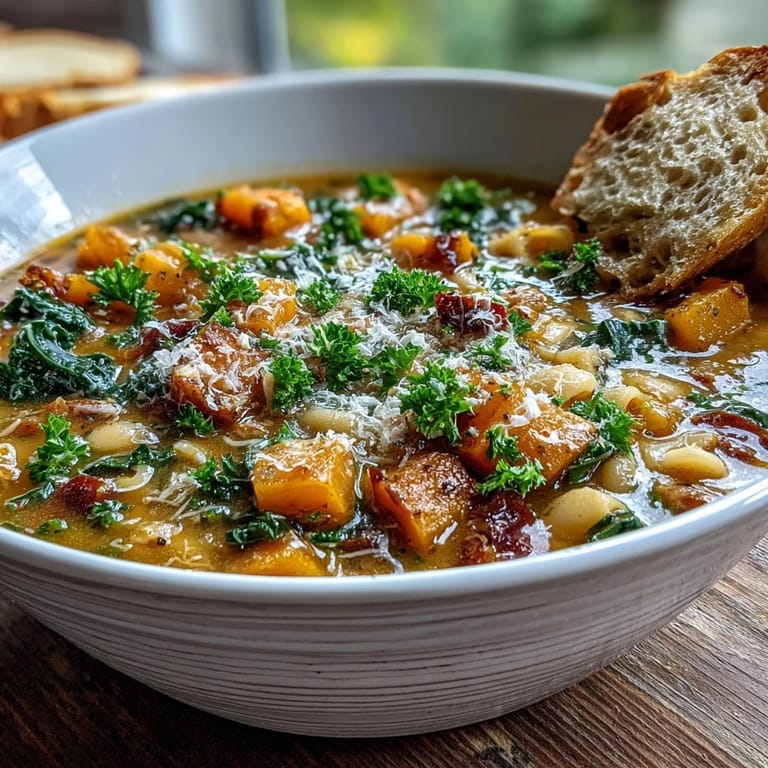
Save There's something about November that makes me crave a pot of minestrone—not the thin, watery versions from cans, but the kind where you can actually taste the vegetables and feel like you're eating something real. My neighbor Maria taught me this soup one afternoon when my kitchen smelled like nothing but cold air and regret, and she showed up with a bag of butternut squash and this no-nonsense attitude about how soup should be made. Within an hour, my apartment transformed into something warm and alive, and I realized that good minestrone isn't about following rules; it's about throwing together what makes you feel better. This version has become my winter anthem.
I made this for a group of friends after a particularly stressful week, and everyone went quiet the moment they tasted it—not awkward quiet, but the good kind where people just want to focus on eating. Someone asked for the recipe before they'd even finished their bowl, and by the end of dinner, three people were texting me photos of their own pots simmering on their stoves. That's when I knew this wasn't just soup; it was the kind of thing that brings people together without any fuss.
Ingredients
- Olive oil: Two tablespoons might seem modest, but it's enough to build the flavor foundation without making the soup feel greasy.
- Yellow onion, carrots, and celery: This holy trinity is where every good soup starts—they soften into sweetness and create the base notes that make everything else taste richer.
- Garlic: Three cloves minced fine will perfume the whole pot in under a minute; don't skip this step or you'll miss out on that crucial aromatic moment.
- Butternut squash: Peel it carefully and cube it consistently so everything cooks at the same rate; I learned this the hard way after fighting with unevenly soft pieces.
- Zucchini: This adds freshness without overpowering anything; it's the vegetable that keeps the soup from feeling too heavy.
- Diced tomatoes: Canned is perfectly fine here—they're picked at peak ripeness and add acidity that brightens the whole dish.
- Kale: Remove the tough stems and chop the leaves into manageable pieces; they'll wilt down significantly and become silky once they hit the hot broth.
- Cannellini beans: Drain and rinse them thoroughly to remove excess starch, which keeps the broth clear and clean-tasting.
- Small pasta: Ditalini or elbow macaroni work best because they cook quickly and don't get mushy; add them near the end so they stay al dente.
- Vegetable broth: Use good quality broth if you can; it makes a noticeable difference in the final taste.
- Bay leaf, oregano, thyme, and rosemary: This combination smells like an Italian kitchen and creates depth that makes people ask what your secret ingredient is.
Tired of Takeout? 🥡
Get 10 meals you can make faster than delivery arrives. Seriously.
One email. No spam. Unsubscribe anytime.
Instructions
- Warm the oil and soften your vegetables:
- Heat olive oil in a large pot over medium heat, then add the diced onion, carrots, and celery. This is your moment to listen—you'll hear the vegetables starting to speak, a soft sizzle that means everything is happening at the right pace. After about five minutes, they should look translucent and smell sweet.
- Toast the garlic:
- Stir in the minced garlic and let it cook for just one minute; this isn't the time to multitask, because garlic burns faster than you'd think and bitter garlic ruins everything. You want that moment where the smell fills your kitchen and makes your mouth water.
- Add the squash and zucchini:
- Toss in the butternut squash cubes and diced zucchini, stirring occasionally for another five minutes. The squash will start to soften slightly at the edges, which tells you it's ready for the next step.
- Build the broth foundation:
- Pour in the tomatoes, vegetable broth, bay leaf, oregano, thyme, and rosemary all at once, then bring everything to a boil. The moment you see those first aggressive bubbles breaking the surface, you know something good is happening.
- Simmer and soften:
- Reduce the heat, cover the pot, and let it bubble gently for fifteen minutes until the squash is tender but not falling apart. This is when you can step away and do something else, knowing that time and heat are doing the real work.
- Finish with beans, pasta, and greens:
- Add the drained beans, pasta, and chopped kale all at once, then simmer uncovered for ten to twelve minutes. Watch as the kale transforms from bright and sturdy to something silky and dark, and listen as the pasta softens into the broth.
- Taste and adjust:
- Remove the bay leaf, then taste carefully and add salt and pepper until it tastes like comfort. Trust your palate here—you might need less salt than you think if your broth was already seasoned.
- Serve with intention:
- Ladle the soup into bowls and finish with a small handful of Parmesan and fresh parsley if you're using them. A slice of crusty bread on the side turns this into something that feels like a real meal, not just dinner.
 Save
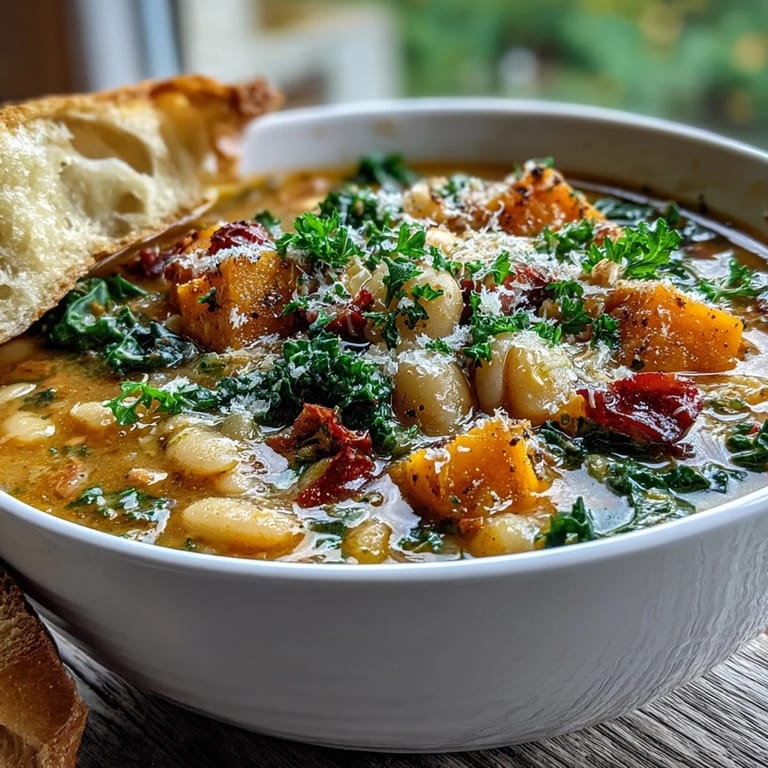
Save This soup showed up at a potluck once, and someone's eight-year-old asked for seconds, which never happens with kids and vegetables. Her mom looked at me like I'd performed some kind of magic trick, but really it was just about making the vegetables taste like themselves, not like punishment.
The Butternut Squash Secret
The butternut squash is what transforms this from a simple vegetable soup into something that feels indulgent. It breaks down just enough to thicken the broth naturally while adding a subtle sweetness that makes people go back for more without quite knowing why. I used to think you needed cream to make soup feel luxurious, but this taught me that the right vegetables can do that work all on their own.
Timing and Temperature Matters
The difference between a good pot of minestrone and a great one often comes down to not rushing the initial vegetable sauté. When you give the onions, carrots, and celery time to soften and release their natural sugars, everything that follows builds on that foundation. Medium heat is your friend here—high heat will make things tough and bitter before they have a chance to become sweet.
Making It Your Own
This recipe is flexible enough to adapt to what's in your kitchen or what you're craving. I've made it with spinach instead of kale on nights when I didn't have kale, and added a Parmesan rind while simmering to bump up the umami—it disappears as it cooks but leaves behind a savory richness that nobody can quite identify. The bones of the recipe stay solid no matter what you swap in.
- Substitute spinach or Swiss chard for kale if that's what you have, and it'll still taste wonderful.
- For gluten-free eating, skip the pasta entirely and add another can of beans instead, or use gluten-free pasta if you prefer the texture.
- A good Parmesan rind simmered in the broth is optional but changes the depth of flavor in a way that makes people wonder what your secret ingredient is.
 Save
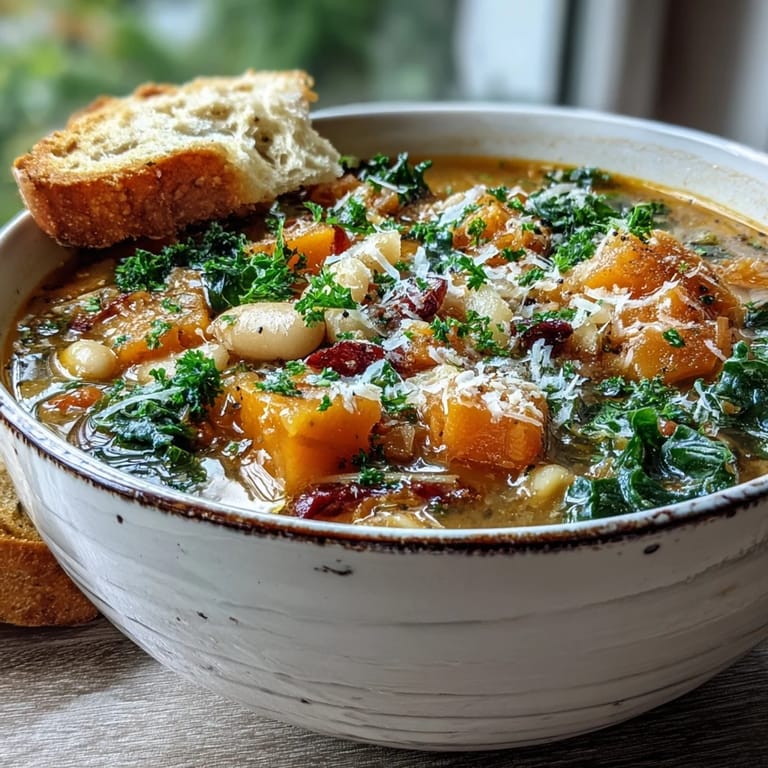
Save This soup reminds me that sometimes the simplest things—vegetables, broth, time, and heat—can create something that feels deeply nourishing. It's the kind of dish that gets better the more you make it because you start to understand its rhythm.
Recipe FAQs
- → Can I make this soup ahead of time?
Yes, this minestrone can be prepared up to 3 days in advance. Store in an airtight container in the refrigerator. The pasta will absorb liquid over time, so you may need to add extra broth when reheating.
- → What pasta shapes work best for minestrone?
Small pasta shapes like ditalini, elbow macaroni, orzo, or small shells work perfectly. Choose pasta that fits easily on a spoon alongside the vegetables and beans.
- → Can I freeze winter minestrone soup?
Yes, but for best results, freeze the soup before adding pasta. Cook the pasta fresh when reheating. Frozen minestrone keeps well for up to 3 months in freezer-safe containers.
- → How do I make this soup heartier?
Add more beans, increase the pasta quantity, or include diced potatoes with the butternut squash. A Parmesan rind simmered in the broth also adds richness and depth of flavor.
- → What can I substitute for butternut squash?
Sweet potato, acorn squash, or pumpkin make excellent substitutes. Cut into similar-sized cubes to ensure even cooking. Each provides a slightly different but equally delicious flavor profile.
- → Is this soup suitable for meal prep?
Absolutely. Portion into individual containers for easy grab-and-go lunches. The flavors develop and improve after a day in the refrigerator, making it ideal for weekly meal preparation.