 Save
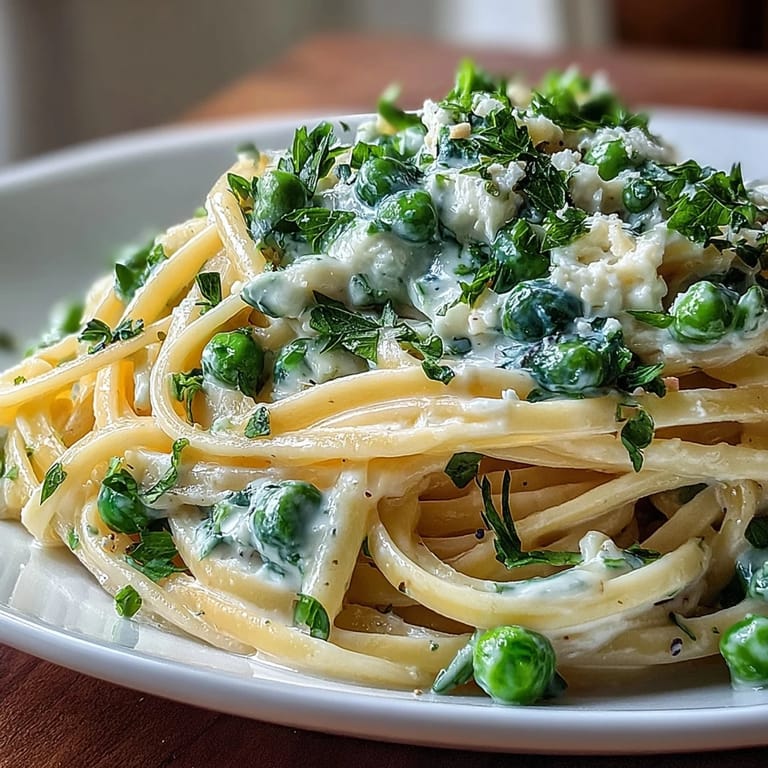
Save One spring afternoon, the scent of fresh lemon and peas lingered in my kitchen as sunlight danced across the counter. I remember grating the lemon with a new zester—its sharp aroma mingling with the warm ricotta, making my stomach rumble. The idea for ricotta and lemon linguine came after a market trip, where the peas were especially sweet and vibrant. It was less about following a recipe and more about wanting dinner to taste like the bright season outside. Making this dish turned routine cooking into a small celebration of spring.
The first time I cooked this dish for friends, laughter filled the kitchen as someone accidentally zested the lemon onto the floor. We didn't fuss: that moment brought everyone closer, and the flavors ended up sparking conversation about our favorite pasta memories. Even the quietest guest went back for seconds, and the bowl was scraped clean. Since then, I reach for this recipe when I need food that brings people together and lightens the mood.
Ingredients
- Linguine: It soaks up the creamy ricotta and lemon sauce beautifully—always cook it until just al dente for the best bite.
- Peas: Fresh peas pop with sweetness, but frozen work just as well when you want spring flavors off-season.
- Garlic: A quick sauté brings out its mellow warmth, so be careful not to brown it.
- Lemon Zest and Juice: Unwaxed lemons make zesting easier—use both for brightness without overwhelming the sauce.
- Fresh Parsley: Adds color and a grassy note that lifts the whole dish.
- Ricotta Cheese: Gives the sauce its rich, silky base—whisk before adding pasta for smoothness.
- Parmesan Cheese: Adds savory depth and helps thicken the sauce.
- Extra-Virgin Olive Oil: For sautéing garlic and giving flavor without heaviness.
- Salt: Essential for seasoning the pasta, sauce, and water.
- Freshly Ground Black Pepper: Just a pinch brings a gentle heat and rounds out the flavors.
Tired of Takeout? 🥡
Get 10 meals you can make faster than delivery arrives. Seriously.
One email. No spam. Unsubscribe anytime.
Instructions
- Boil and Prep Pasta:
- Fill your largest pot with water, add salt, and let it roar to a boil. Drop in the linguine and cook until it's just tender—save some cooking water, then drain.
- Sauté Garlic:
- Heat olive oil in a skillet, listening for that soft sizzle; toss in garlic and stir gently until it smells sweet and mellow, not browned.
- Cook Peas:
- Add peas to the hot skillet and stir for a few minutes—they should turn bright green and feel tender, not mushy.
- Blend Ricotta and Flavorings:
- In a large bowl, stir ricotta, lemon zest, juice, Parmesan, salt, and pepper until the mixture is smooth and scent fills the air.
- Combine Pasta and Sauce:
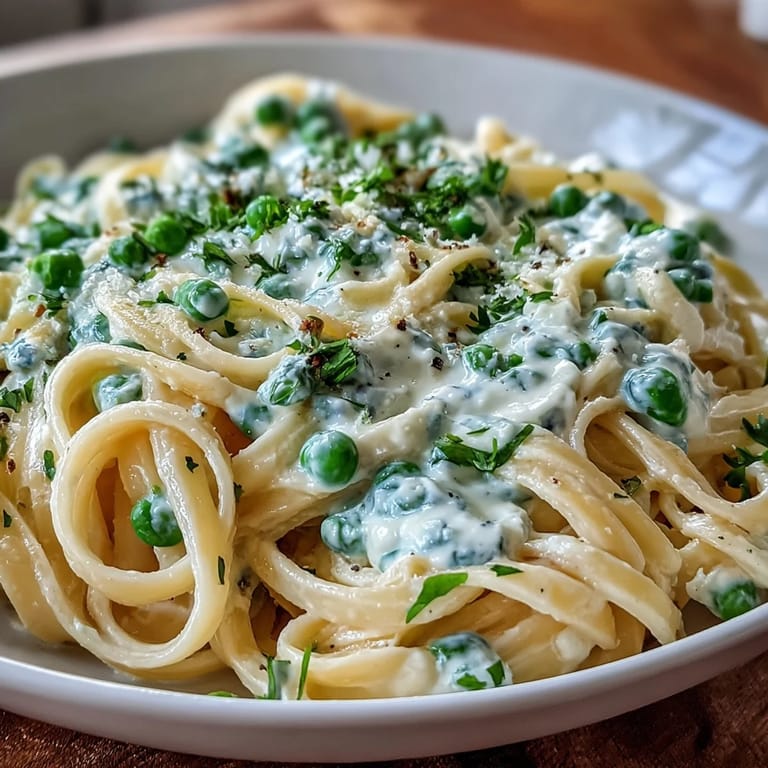
- Add drained linguine and the peas with garlic and oil to the ricotta mixture; toss gently with tongs, adding pasta water a bit at a time until the sauce clings to every strand.
- Garnish and Serve:
- Scatter parsley over the pasta and adjust seasoning; serve right away with extra Parmesan and a sprinkle of lemon zest if you want extra zestiness.
 Save
Save There was an evening when everyone gathered on the tiny patio, forks twirling linguine and jokes flying faster than the pea pods I tossed into the bowl. The pasta brought a bit of sunshine to the table, and I realized how a simple meal could spark impromptu joy. Sharing it made spring feel endless, even as dusk fell.
How to Keep Pasta Silky
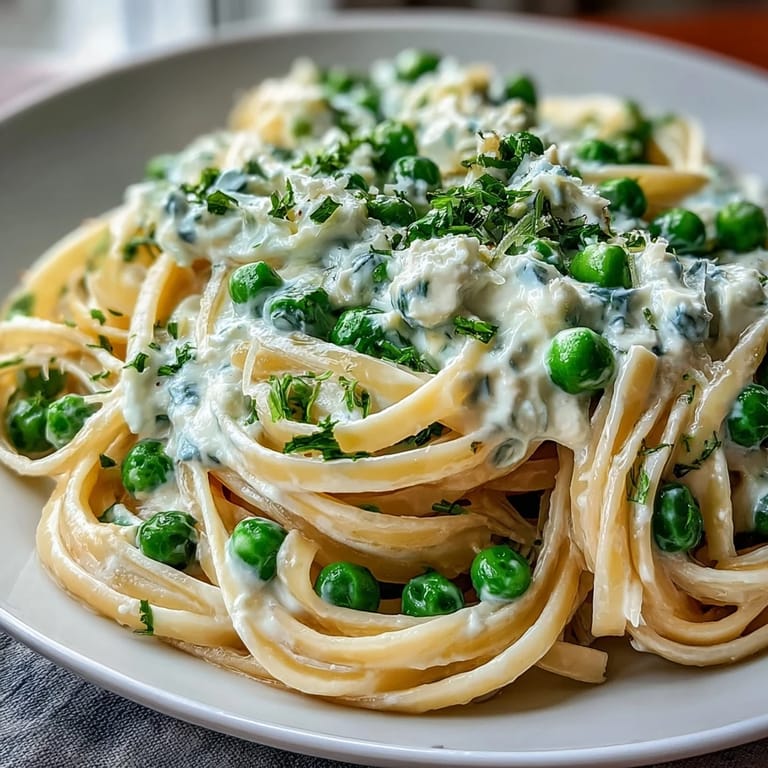
I've learned that tossing the cooked linguine in the sauce while it's still hot is key—the ricotta melts and coats every strand beautifully. If the sauce feels heavy, a splash more pasta water loosens it without losing creaminess. The trick is patience: gentle tossing prevents clumps and lets flavors marry.
Adjusting for More Veggies
Want extra freshness? Add a handful of baby spinach or arugula with the peas, letting the leaves just wilt. Sometimes I sneak in finely chopped asparagus when it's in season, and it always disappears quickly! More greens means a lighter, brighter bowl without changing the spirit of the recipe.
Final Touches That Matter
Serving with a lemon wedge makes everyone feel special—the sharp squeeze wakes up every bite. I like to have cold white wine nearby, which lifts the creaminess and adds a festive touch. Nothing beats swirling pasta onto each plate and letting guests garnish to taste.
- A sprinkle of extra Parmesan at the end is never too much.
- Let the pasta rest a minute before serving to meld flavors.
- If you're cooking for a crowd, keep everything warm in a low oven so it stays silky.
 Save
Save May every bowl of spring pasta you make bring laughter and sunshine, no matter the season. The best kitchen moments are always simple, shared, and seasoned with a little creativity.
Recipe FAQs
- → Can I use frozen peas instead of fresh?
Yes, frozen peas work well. Cook them a bit longer to reach bright green tenderness.
- → How do I make the sauce creamy without it being heavy?
Ricotta and reserved pasta water create a silky, light sauce that coats the noodles without weighing them down.
- → Is there a way to add more greens?
Adding baby spinach or arugula when cooking the peas brings extra freshness and color to the pasta.
- → What cheese alternatives are recommended?
Mascarpone can replace ricotta for a richer dish. Ensure cheese is vegetarian if needed.
- → What wine pairs well with this meal?
Crisp, chilled Sauvignon Blanc or Pinot Grigio complement the bright, creamy flavors.
- → How can I customize the pasta for extra flavor?
Use whole-wheat linguine, extra herbs, or lemon zest to amplify taste and nutrition.